What Is a Composite Memory?
A photograph records what was there. A composite memory reconstructs what was felt.
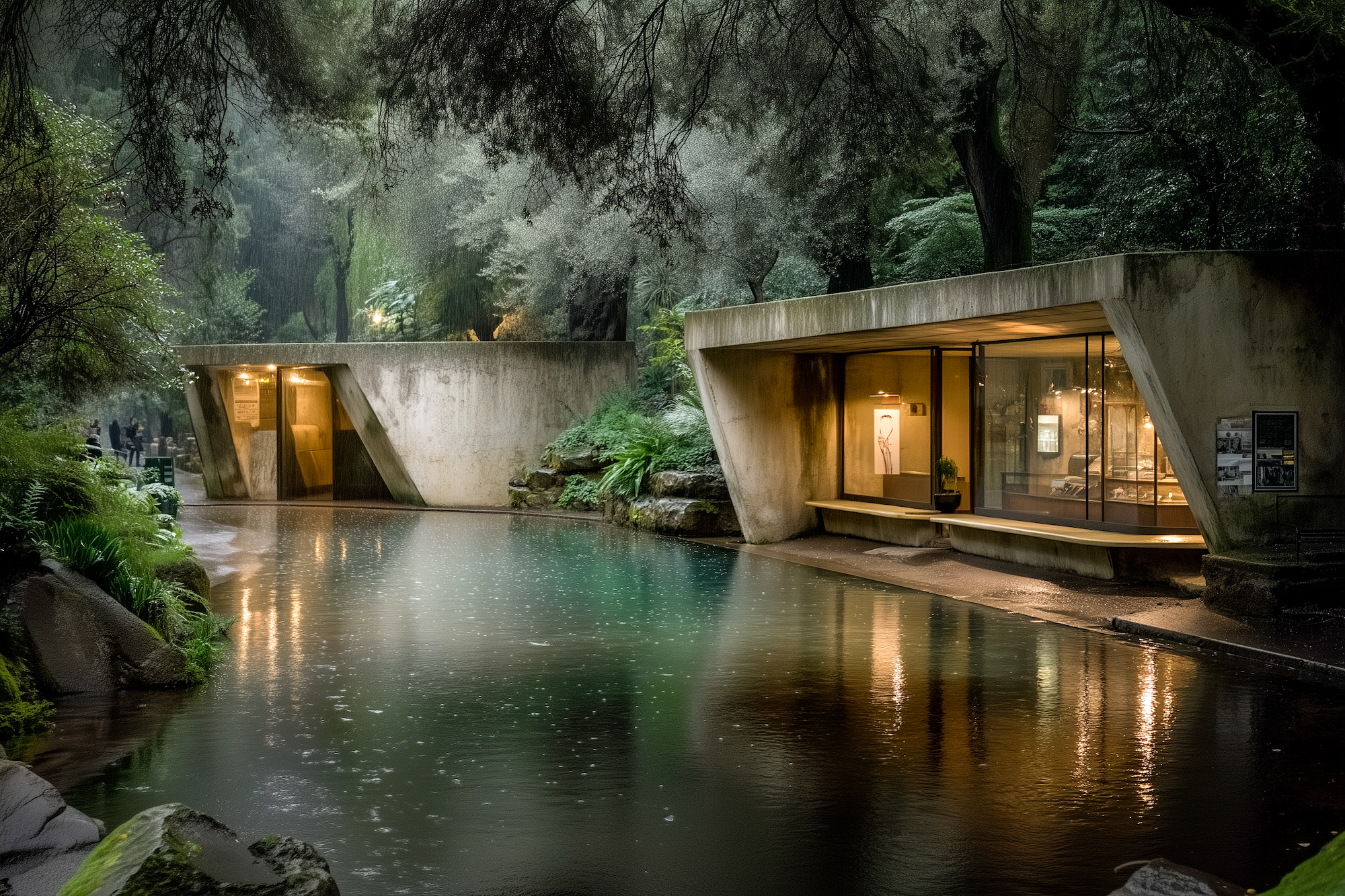
I use this term to describe the images I make — scenes built through AI that have no origin in any single moment, yet feel as though they belong to a past that was lived. They are not illustrations of memory. They are synthetic constructions that behave like memory: partial, atmospheric, emotionally weighted, and impossible to verify.
In cognitive science, memory is not a recording. It is an act of reconstruction — assembled each time from scattered fragments, shaped by present emotion, altered with every recall. What we remember is never what happened. It is what remains after everything else has fallen away.
This is how I approach image-making. I do not begin with a scene I want to depict. I begin with a residue — a sense of light in a space I may never have entered, the weight of stone in a building that does not exist, the stillness of water in a room where no one remains. The AI becomes a collaborator in this reconstruction, generating possibilities I could not have imagined alone, while I select and refine based on emotional recognition: does this feel like something I have known?
The result is an image that belongs to no archive, no location, no date. And yet it carries presence — the kind that makes you pause, not because you recognize the place, but because you recognize the feeling.
This is what I mean by composite memory. Not nostalgia. Not fiction. Something in between — where the boundary between experienced and imagined dissolves, and what remains is the emotional truth of a moment that may never have occurred.
— Avocado