Overfitting
What machine learning, forty years in a lab, and one good prompt have in common
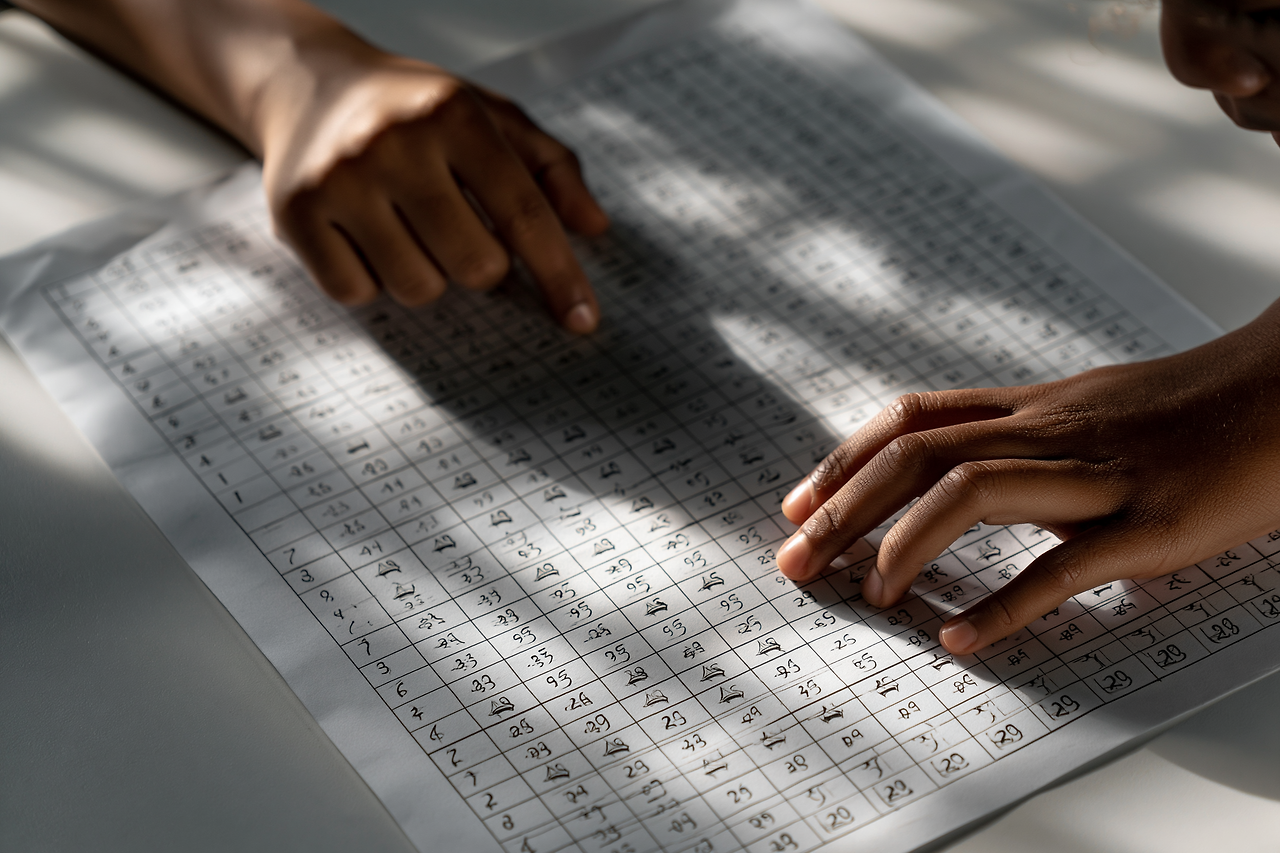
Machine learning has a word for it: overfitting. A model memorizes its training data so thoroughly that it collapses the moment it meets a situation it has never seen. It gets every answer on the practice test right — and falls apart when the question changes shape. Memorizing well and knowing well are not the same thing.
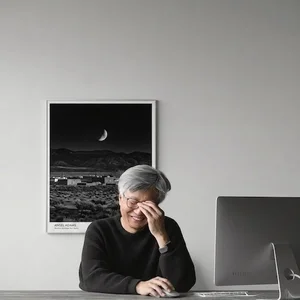
I spent nearly forty years in a research lab in one field, and I lived this often. Once an experimental design or a method of analysis had succeeded, it would surface out of habit in front of every new question — because it had worked, more or less, before. So when I met a new branch of problems that needed entirely different logic and different variables, I could not easily take off the old lens. I had grown so used to working toward the right answer that standing in territory where no answer was fixed made me anxious at first. I caught myself dragging familiar answers in by force, whether they fit or not.
Looking back, the anxiety did not come from the absence of an answer. It came from my long-held belief that an answer had to exist. In those years, even a failed result was interrogated only through the frame of the correct answer — why didn't it work? It was not that there was no answer. It was that I had decided the answer in advance and then looked.
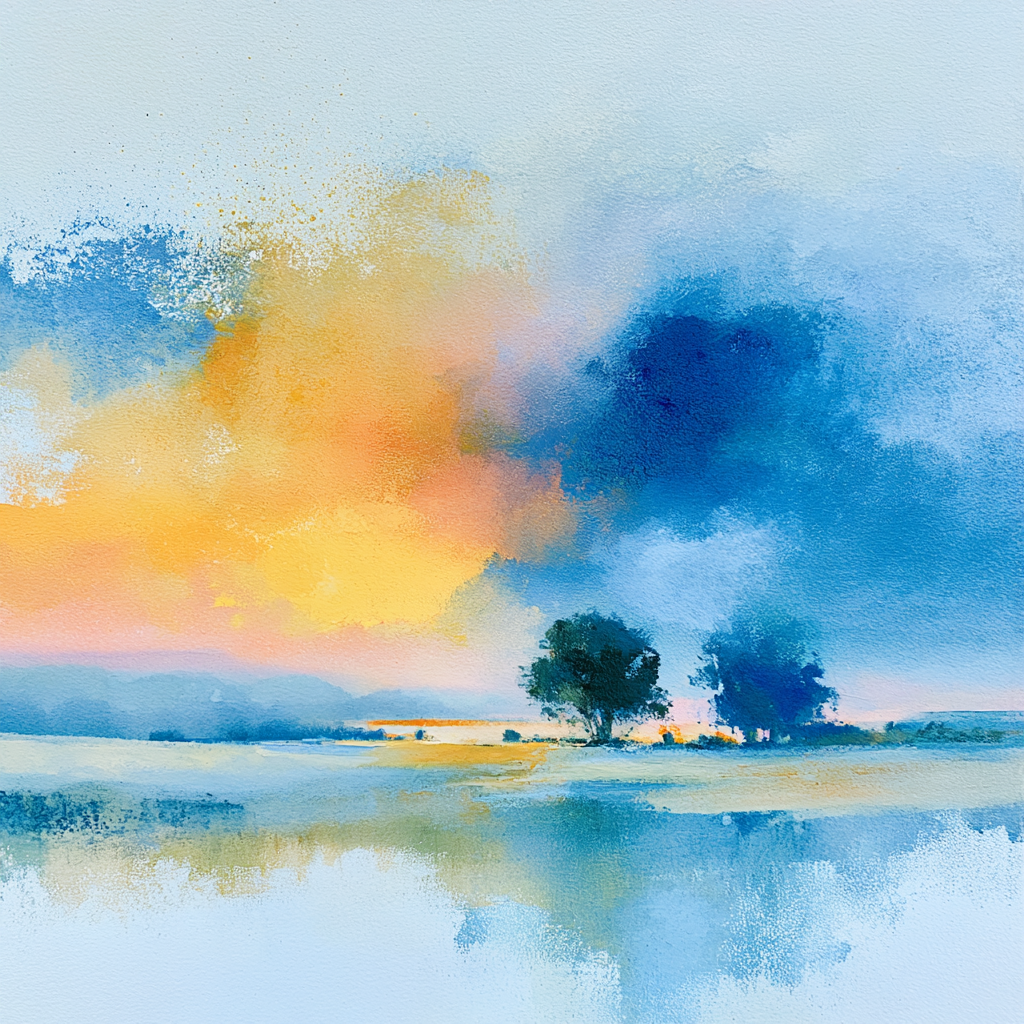
Crossing over into art, the same thing happened. After I discovered one prompt that produced good images, I barely changed its structure for a long while. There was a period when I was drawn to a style like impressionist watercolor, and a particular lighting, a particular contrast of colors, a particular rhythm of composition kept reappearing. I called it "my style, finally settled." But as time passed I noticed that no matter how the subject changed, the mood and texture of the results were startlingly alike. My hands were comfortable, and the tension of making something new was quietly draining away. The one prompt that worked had, paradoxically, walled me into a narrow alley. What I had proudly called my style had become, without my noticing, a habit I could not escape. One day I laid out three months of work in one place and was stunned. The subjects were all different, and from a distance every piece looked like the same person pressing the same worn groove.
Only after that realization did I deliberately set aside the methods I had built up in Midjourney and move to ComfyUI and Flux — a completely different environment. The words and parameters that had always worked no longer behaved as expected. And inside that discomfort, for the first time, I had to think again from the beginning: why does this image come out the way it does? Where the familiar answers stopped working, I relearned how to look at principles. Only then did I see that what I had memorized was not how to make images but a set of spells that worked in one tool. A phrase I loved in Midjourney would do something slightly different in another app, or be ignored entirely. When the familiar spell failed, I finally looked, for the first time, at what the words actually meant.
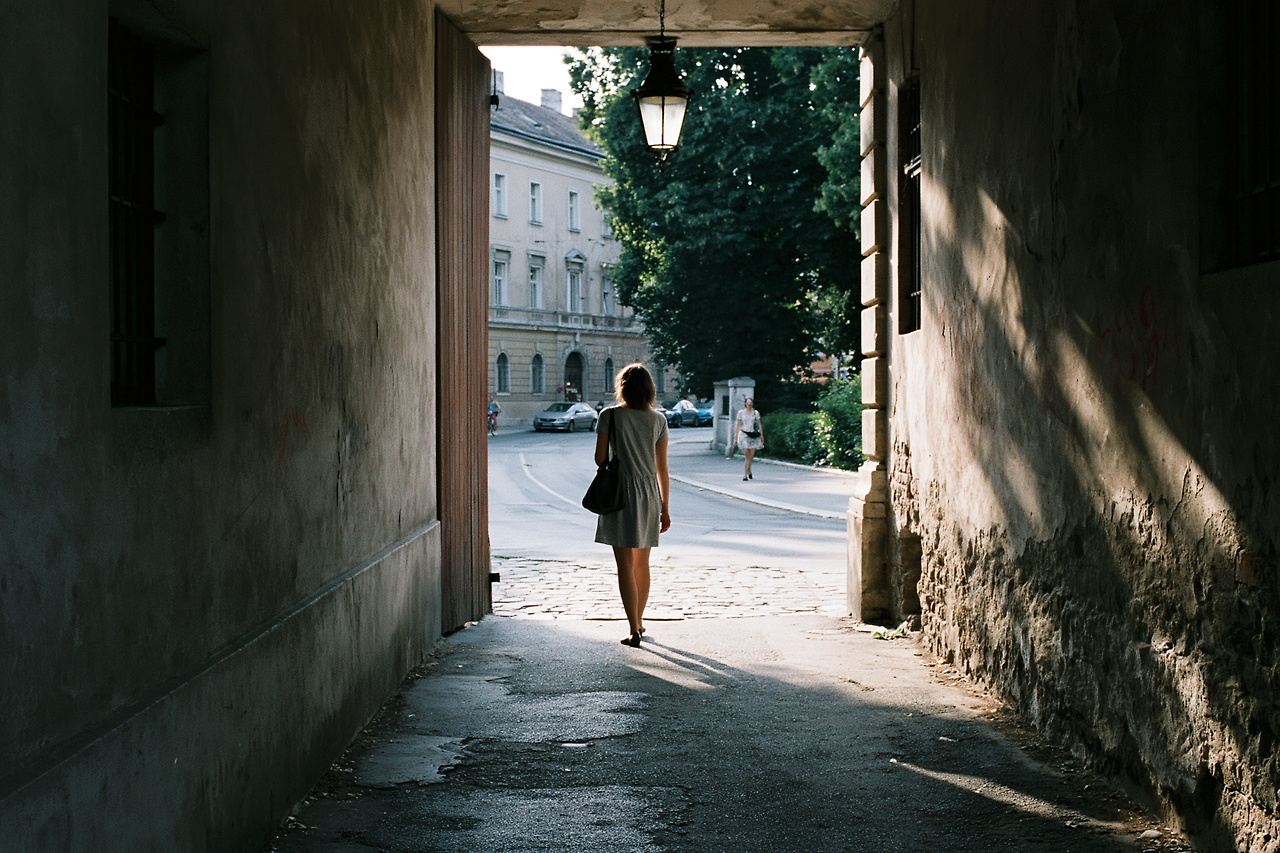
So I say it often in my classes now. When you find one prompt that works, do not keep working only with that. The answer your hand knows best can be the deepest trap. And to the student who asks which prompt is the right one, I answer: the moment you fix an answer, the exploring stops.
Science and art, it turns out, chase the same thing in the end: generalization. The power to draw a principle out of one case and carry it into places you have never stood. A model that has only memorized is not intelligent, and a practice that only repeats one success does not deepen. The surest way I know to break the frame is to impose an unfamiliar constraint on yourself, on purpose. Forbid yourself the usual, and the hand finally looks for a new path. Good work is not well-memorized work; it is well-generalized work. Producing one fine image and finding your own way in front of a subject you have never seen are different abilities. The first is the skill of the practiced. The second is the eye of the knowing.
And this is not only about work. People overfit too, and more easily with age. Because a way of living worked once, we insist on the same answer in front of a changed world. That has always frightened me. Right now, is my hand memorizing, or does it know? Taking up new tools this late in life was, in the end, my way of refusing to lock myself inside one answer. It is slow and clumsy. But at least it keeps me from spending my days reciting what I memorized.