What Would Barthes Have Said?
Camera Lucida, the that-has-been, and images with no one behind them
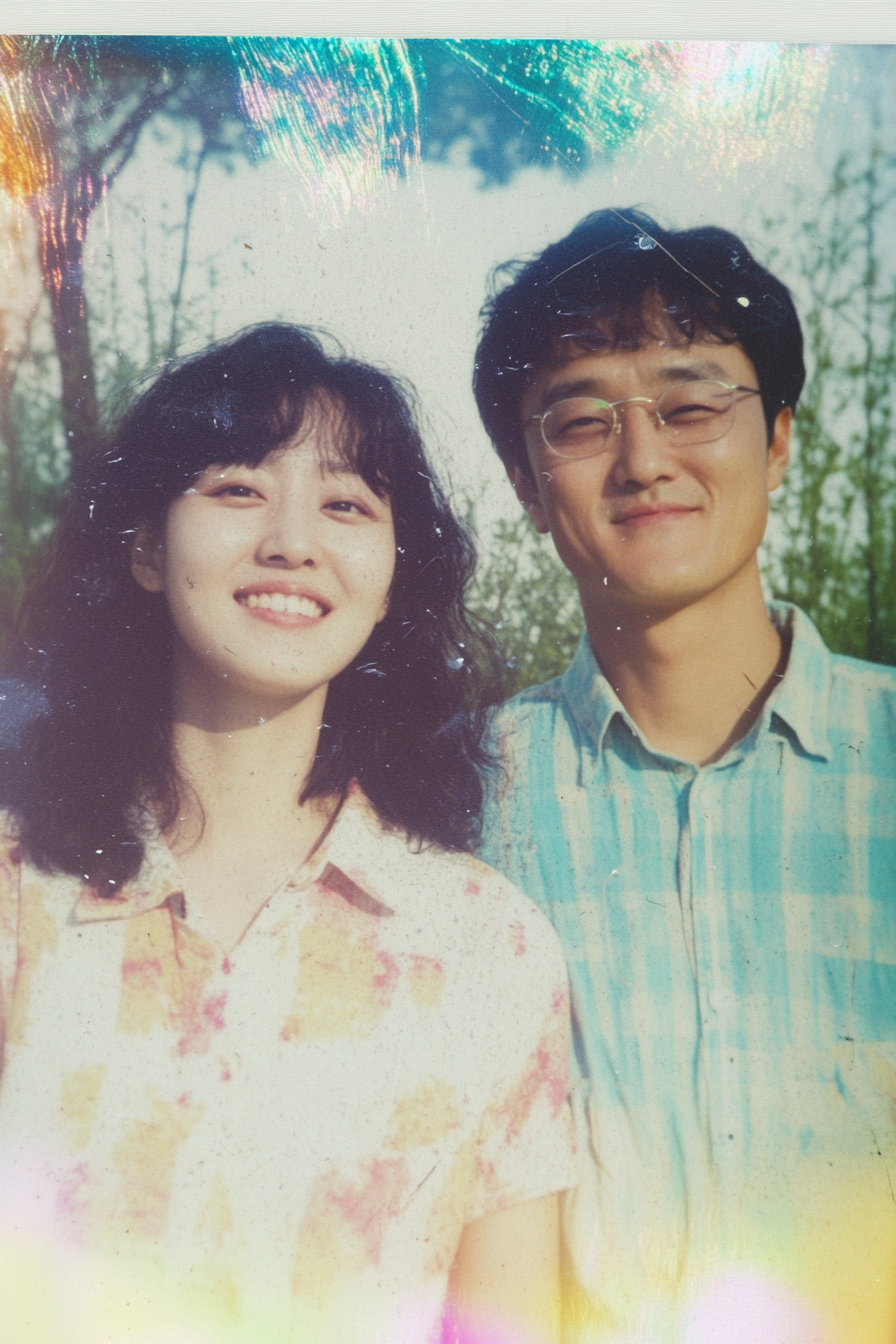
In an essay in my Korean series, I once wrote about the punctum — the small, unintended detail in a photograph that pricks you when you least expect it. The word was borrowed from Roland Barthes's Camera Lucida. But opening that book again, it strikes me that the pricking was never what Barthes most wanted to say. The punctum was how he loved photographs. It was not his answer to the question of what a photograph is.
The word he finally arrived at was the that-has-been. The thing in the photograph was there, then, without question. Light actually touched that face and came to rest in the film. So a photograph always testifies that something was. A painting can depict what no one has ever seen, but a photograph requires that the thing stood before the lens in that moment. What Barthes called the essence of photography was exactly that: it has been.
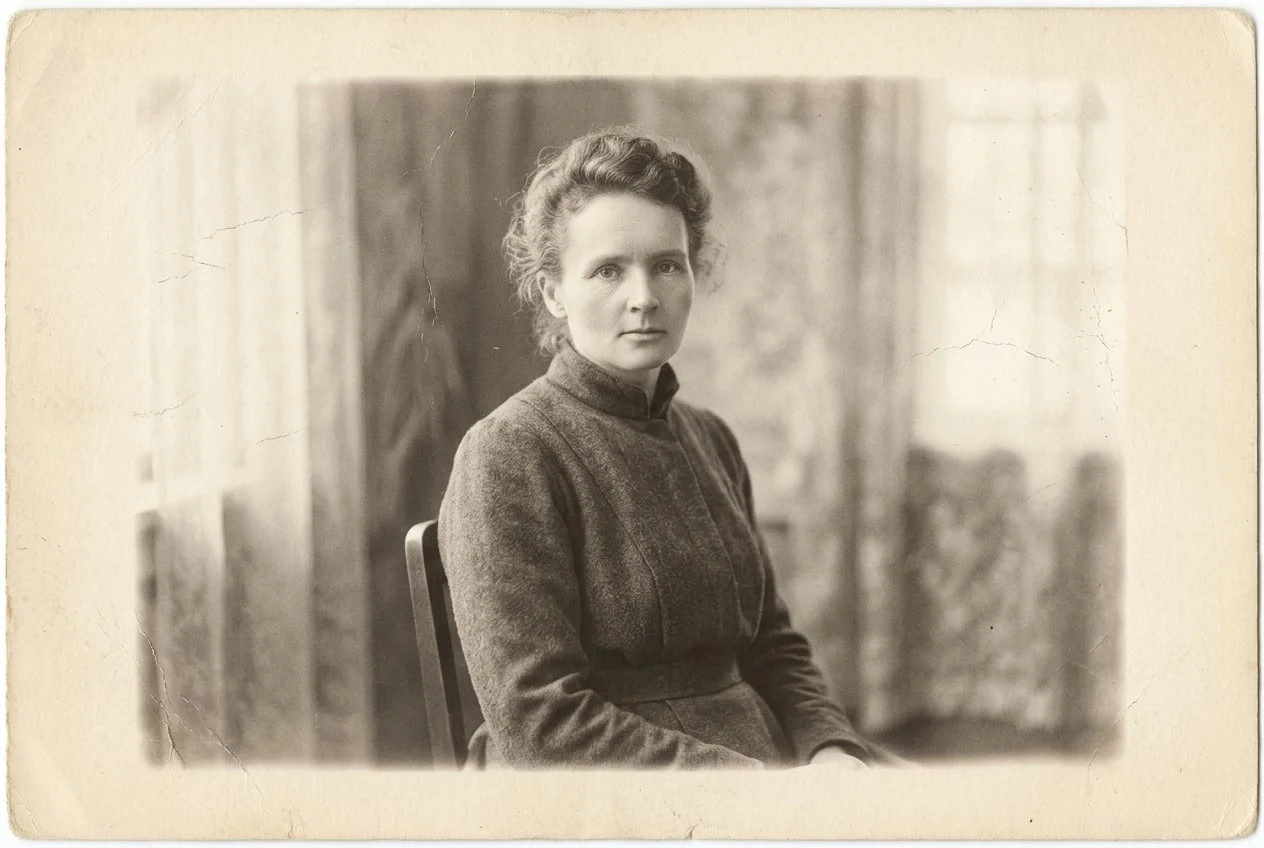
He wrote the book in front of a single photograph of his mother, who had died. Searching through photograph after photograph, he finds the one in which his mother truly looks like herself. That one print says she was, beyond doubt — and she is no more. A photograph folds being and absence, love and death, into one sheet of paper. So perhaps what he was really writing was never a calm theory of photography, but the unbearable fact that a person was here and is gone.
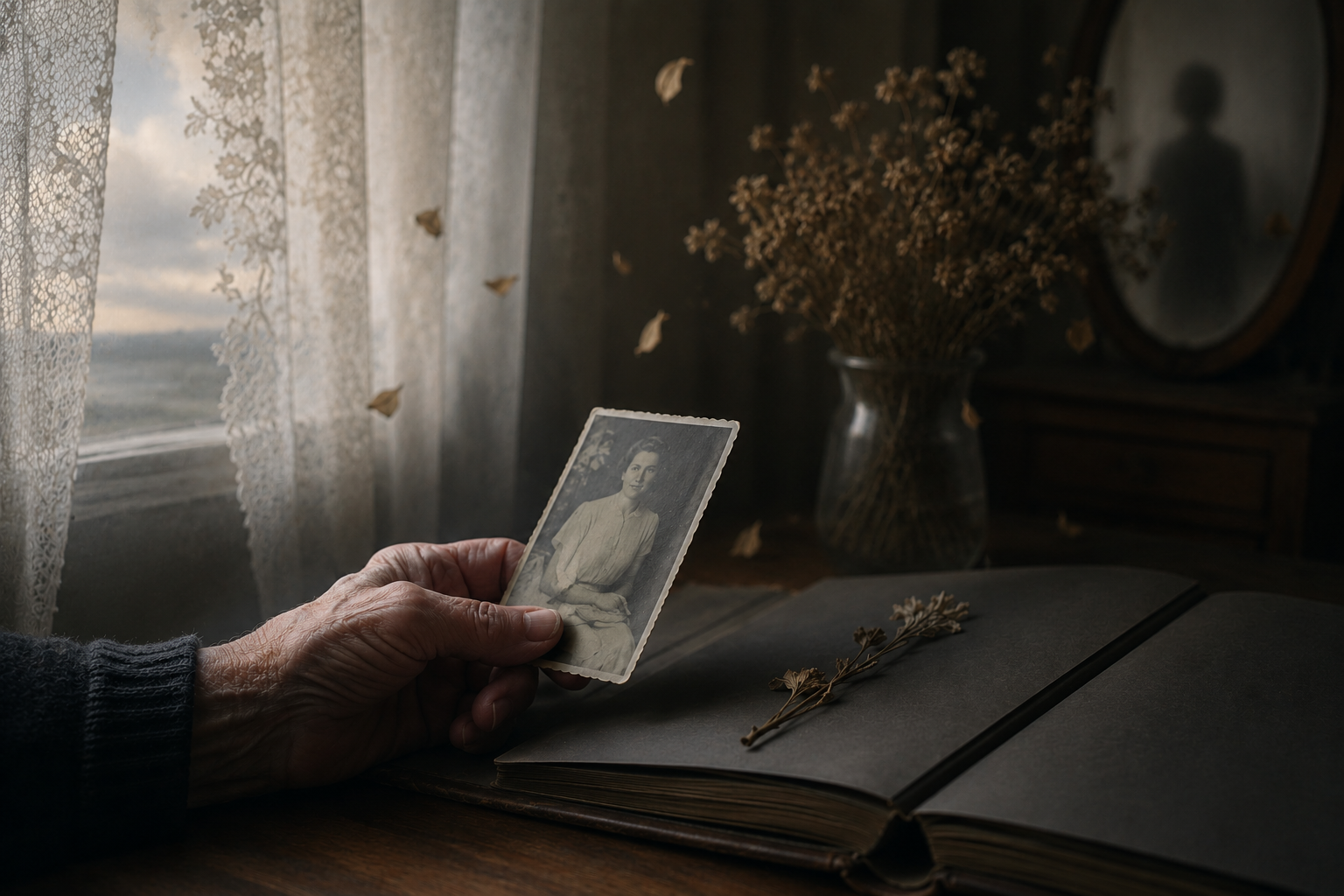
Here is where I keep stopping. An image made by AI has no that-has-been. The person in it never lived anywhere. That light never touched any face. It is a picture with nothing to certify, from the very start. By Barthes's measure it is not a photograph at all. It is closer to a drawing — in the sense that a drawing can depict what was never seen.
So if Barthes were alive today, what would he have said in front of the flood of AI images? I want to know almost unbearably. Would he have cut it short — this is not photography? Or would he have turned that famous stubbornness of his onto a new question: what begins in the place where photography ends?
My guess is that he would have grieved first. That uncanny power photographs had — the dead testifying, wordlessly, that they were once here — is gone. In front of an AI image there is nothing to mourn. No one has been lost, so we cannot even be sad. The thing Barthes treasured most in photography is missing here, entirely.
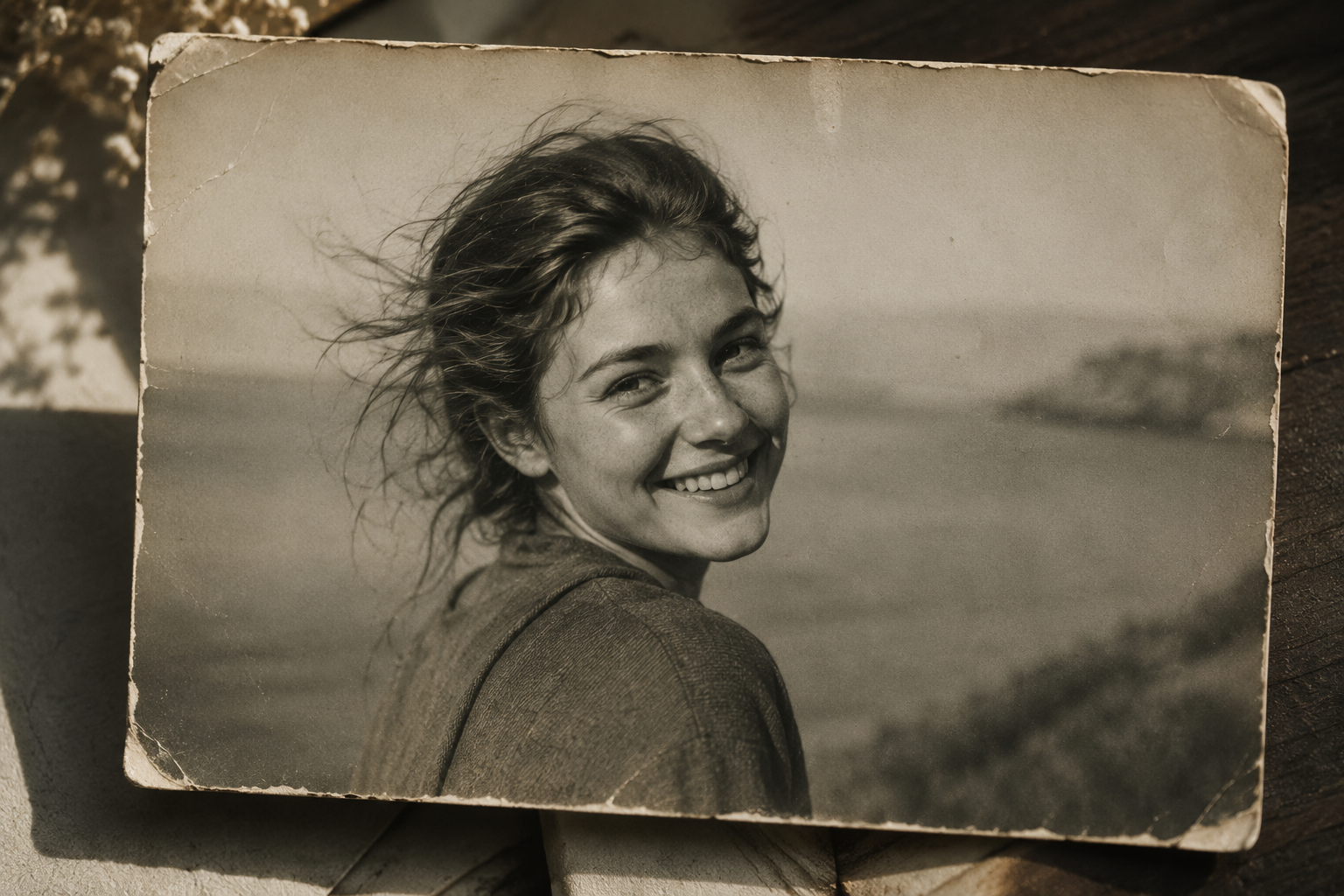
And yet — something strange. These images without a that-has-been sometimes prick me. No one was ever there, and still certain frames stay in the mind a long time. Why a scene that never happened can shake the heart, I cannot yet explain. Whether it is the same pricking Barthes named, or something else altogether, I honestly do not know.
So when I work, I deliberately place one photograph I took myself among the images. A handful of I-was-there, lowered like an anchor into the fabricated frame. Among all the things that never were, one thing that was. Maybe that is my way of holding on to the that-has-been.
What would Barthes have said, watching all of this? The image stripped of its that-has-been — would he still have called it a photograph, or found it an entirely new name? I do not know the answer. I only suspect that even if photography ends, the older thing does not end with it: a human being stopping, for no reason they can give, in front of an image. What that is, I still cannot put into words. So today, once more, I build a scene that never was — and now and then, standing before it, I am pricked in a place I cannot name.