To Collect the World
Susan Sontag's On Photography, read again in the age of AI
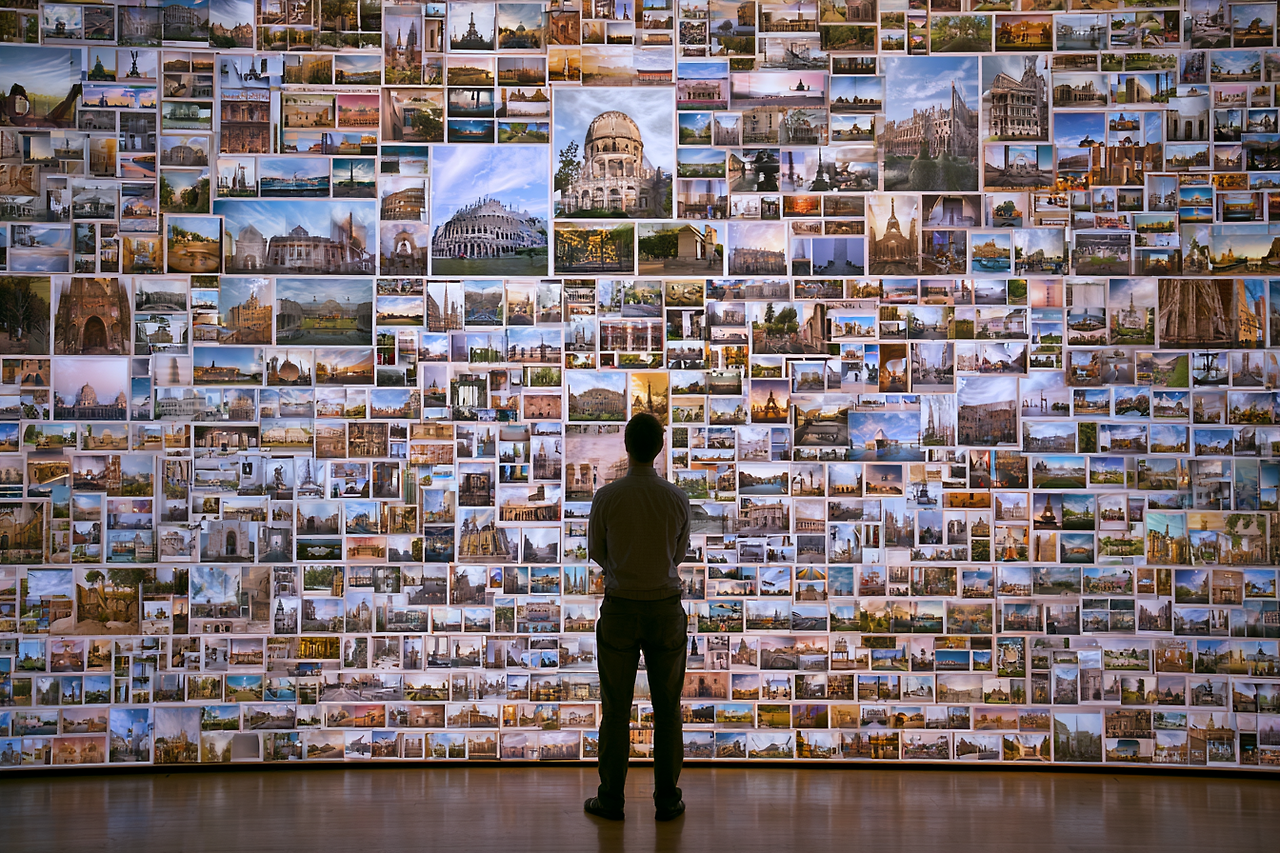
Not long after I took up photography, I met Susan Sontag's On Photography. One sentence stayed with me: "To collect photographs is to collect the world." At the time it only sounded elegant.
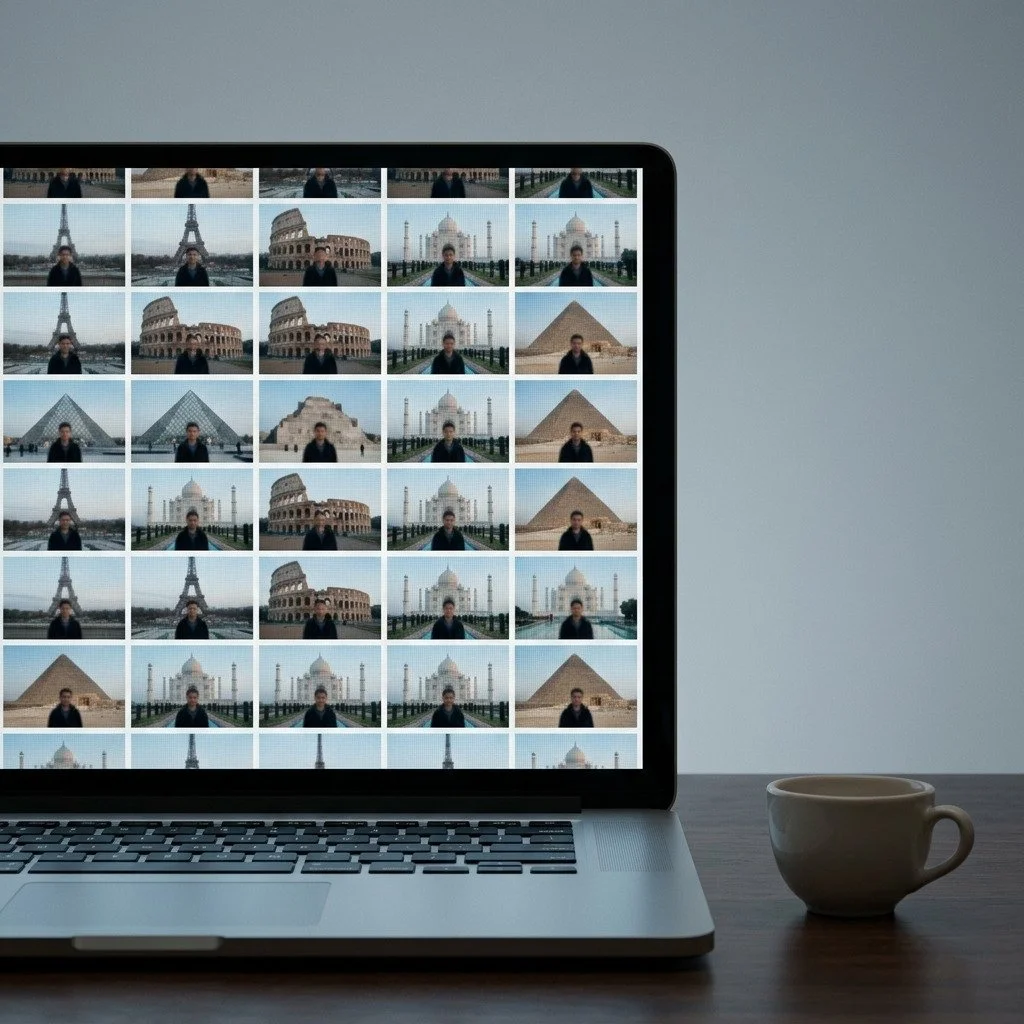
In early 2024, as the spring blossoms opened, I went out with my camera almost every day and shot hundreds of frames a day. The old palaces of Seoul — Gyeongbokgung, Deoksugung — the alleys of Insadong, the stream at Cheonggyecheon, old neighborhoods, trips at home and abroad, all the way to Europe. When the memory card filled up, I really did feel I owned more of the world. But back home, clicking through them at the computer, I found that most of my photographs said only one thing: I was here. What the wind smelled like in that place, how cold the stones were underfoot — I could barely remember. It was exactly as Sontag had written. I had not collected the world. I had missed it. Because at the moment the shutter clicked, I was not actually there. Photography, she said, certifies experience and refuses it in the same gesture. The instant we raise the lens, we trade living in a place for recording it. Hundreds of times over, I had been making that trade.
For a while I stayed up three nights running, trying to turn my photographs into something like watercolor in Photoshop. Then came the day I first met AI, and I sat for a long time in front of Midjourney, stunned. The watercolor style I had wanted so badly poured out in under five minutes, image after image. Landscapes at dusk. Villages deep in the Korean mountains. The scenes rising from my prompts were places I had never been — and still my chest swelled, because they were exactly the places I had been dreaming of all along. The memories of a childhood in the countryside, the world inside me that no camera could ever photograph: for the first time, I felt I was collecting that. A camera can only take what stands in front of it. But the landscapes I most wanted to keep had never once stood in front of me. Scenes that had lived only in my mind were appearing on a screen for the first time.
Sontag called photographing an act of appropriation — pressing the shutter tears off a piece of the world and makes it yours. In my work, that appropriation is turned inside out. I now feed my own photographs in as references and build again with AI. Instead of tearing a piece from the real, the machine rearranges the billions of images humanity has already taken and hands me a world that never existed. The light of an alley I actually photographed, the texture of an old wall, become seeds, and over them I layer my memory and imagination. The photograph becomes a point of departure, and AI extends roads from it that I never got to walk. So in class I tell my students: the image you have just made is a world no one has ever seen — and it is also the world you have longed for.
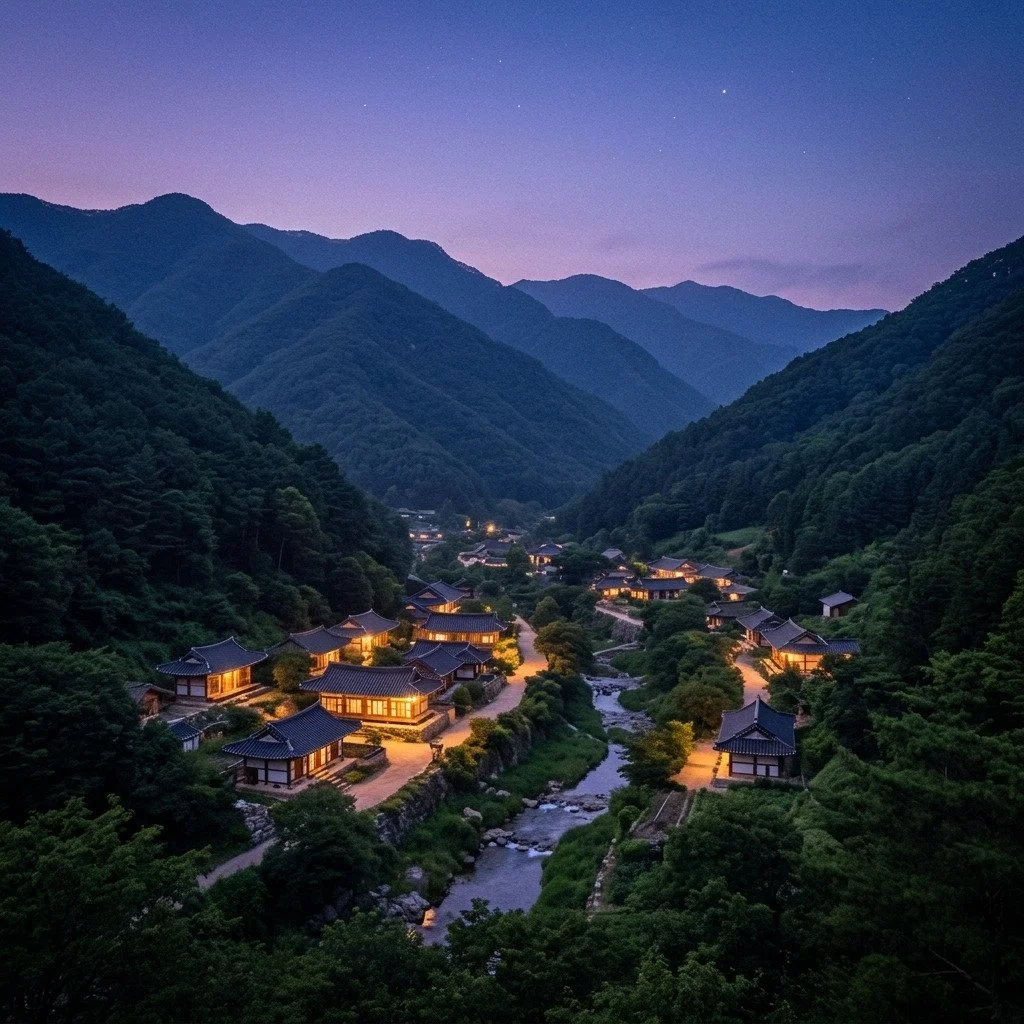
Recently I put together the draft of a photo-essay book: forty-two AI images woven with short texts. On the even pages, a brief passage; on the odd pages, facing it, an image that speaks with it. The title is decided; the ISBN is registered. One by one, things I dreamed about for a long time are taking shape. But making it, the part that took longest was never the moment of pressing generate. It was the long time spent looking at each finished image. Is my own footprint anywhere in this landscape? How close is this feeling to something I actually lived? Under those questions, some images fell out of the book for good. They were merely beautiful. They were not mine.
However convenient AI becomes, what remains in the end is that old question. So now, before I press the shutter and before I type a prompt, I ask myself: why do I want to see this? The hand that collects is fast. The eye that looks long is still slow, and still hard to earn. Meeting AI in my seventies, the greatest gift I have received may be this: learning, all over again, to see less — and to see deeper.